Strategic CRO Selection and Effective Clinical Trial Outsourcing: Lessons from Emerging Biopharma Leaders
How lean biotechs and pharma teams optimize vendor partnerships, de-risk CRO selection, and accelerate clinical study delivery – insights from COG UK.
Navigating Clinical Outsourcing: Challenges and Opportunities
Emerging biopharma organizations face unique challenges in clinical trial outsourcing, from selecting the right CRO partner to ensuring operational efficiency with limited internal resources. Clinical operations and vendor leaders know that success hinges not just on price, but on real-world CRO fit, partnership mindset, and a patient‑centred approach. This article distills practical insight from senior biopharma leaders who spoke at a COG UK panel focused on strategic CRO and vendor partnership selection, offering actionable strategies for sponsor and service provider teams alike.
About the Panel: Operational Experience at the Forefront
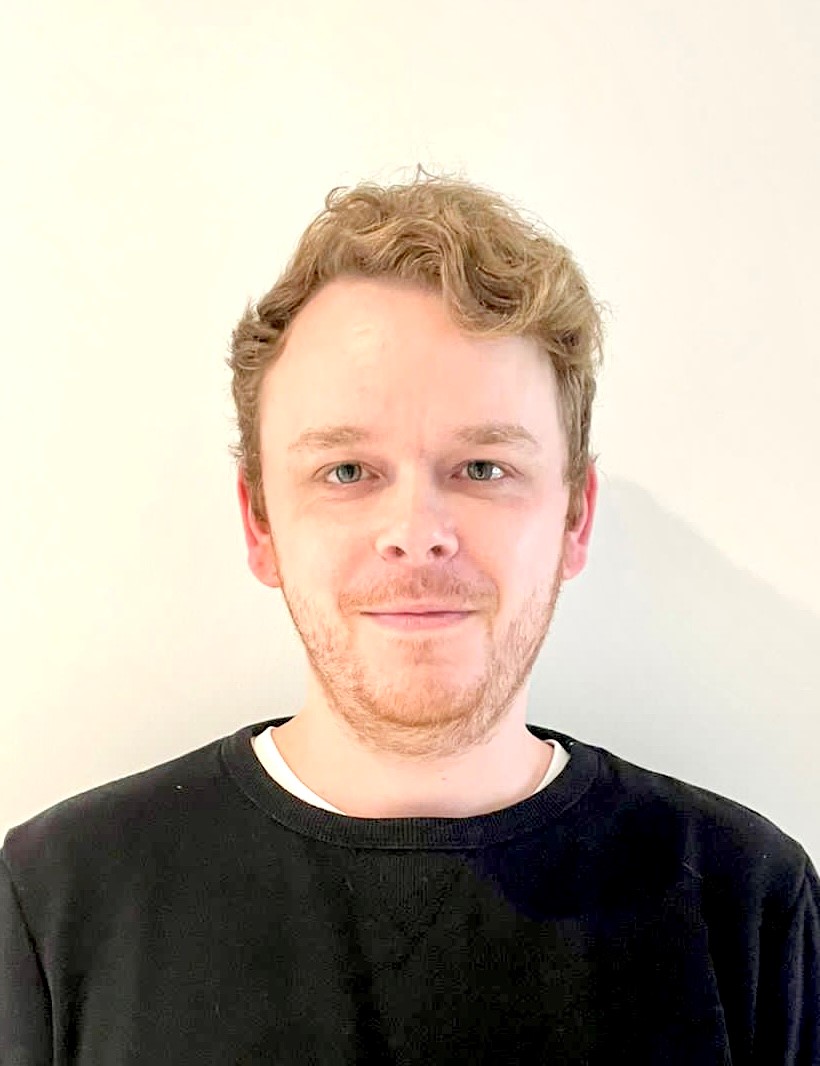
This session, recorded live at COG UK, brought together senior decision-makers from across the clinical development spectrum:
All panelists represent emerging biotechs or specialty pharma actively executing clinical trials with lean teams and high-stakes assets. The panel explored how CRO selection and vendor engagement are evolving to support increasingly global, complex, and resource‑constrained studies.
Key Principles for Effective Clinical Trial Outsourcing
Clinical trial outsourcing has moved far beyond a commodity-based decision. The first major theme: what truly distinguishes a valuable CRO partnership for lean biopharma teams?
Expertise Over Size or Price:
Panelists consistently pointed to specialized operational knowledge in the given therapeutic area as a deciding criterion for a CRO partner, often outweighing traditional drivers like price or global footprint. Graeme Duncan explained the importance of “de-risking” the sponsor’s program for both internal and external stakeholders, with CRO track record playing a prominent role. Claire Herholdt highlighted the impact of hard case studies and evidence of recent operational success in similar indications.
Fit and Partnership Approach:
Beyond claims of capability, sponsors scrutinize whether a CRO demonstrates authentic partnership and a willingness to collaborate from the outset, especially during RFPs and bid defense. Panelists emphasized that sponsors and CROs need aligned cultures and operational philosophies to anticipate inevitable study complexities and regulatory variances.
Value Inflection and Capital Efficiency:
With resource constraints top-of-mind for smaller teams, the ability to move studies quickly to value inflection points (milestones that materially impact company valuation or strategy) is non-negotiable. This means CROs need to be proactive partners, not passive vendors, anticipating risk, flagging cost drivers early, and working hand-in-hand on operational challenges.
The Realities of CRO Selection: Governance, Scale, and “Right-Fit” Models
Selecting a CRO isn’t about finding a one-size-fits-all solution. Instead, it’s about tailoring the partner ecosystem to the unique needs, constraints, and ambitions of each trial and sponsor organization.
Big CROs vs Mid-Sized and Niche Providers Risk of Getting “Lost” with Larger CROs:
Multiple panelists described frustrations with being “a small fish in a big pond” when engaging top-tier multinational CROs, including inflexible processes, change orders, and slow escalations. This poses a risk for smaller biotechs needing tailored support and agility in their clinical outsourcing model.
However, Global Reach Has a Role:
For rare disease or global trials, as Julia Vassiliadou explained, engaging a larger CRO may be unavoidable due to their geographic spread and infrastructure. But this demands rigorous sponsor oversight, consistent communication, and clear delineation of expectations from the RFP through execution.
Scaling with Study Complexity:
Panelists stressed that organizations may need to pivot, the best fit for a Phase 1 or 2a study (e.g., a midsize CRO with deep indication expertise) might not be appropriate for a subsequent pivotal trial, which may require a larger vendor to satisfy investor or regulatory scrutiny.
Core Team Continuity and Ownership
A practical signal of CRO fit is whether the sponsor meets, and continues working with, the actual operational team (especially the project manager) during the bid process and subsequent delivery. Graeme Duncan named core team continuity as a non-negotiable.
Sponsors look for signs of ownership, pride, and accountability throughout the CRO organization. Ideally, a sense of shared purpose translates to proactive identification of risks and collaborative problem‑solving.
Operational Excellence: Optimizing Study Design, Startup, and Vendor Collaboration
Joint Protocol Development and Early Input:
Early engagement of the CRO in study and protocol design was identified as a proven way to reduce later protocol amendments, avoid hidden costs, and generate more realistic timelines. Sarah Whalley argued that giving vendors an authentic seat at the table during protocol development builds buy-in, clarity, and a more seamless operational flow.
Oversight and Adaptability:
For sponsors, particularly those working with large global CROs, strong oversight is required to maintain control of study priorities. This includes clear, ongoing communication, well-defined responsibilities, and consistent escalation pathways for emerging issues.
Country and Site Selection:
The panel provided various criteria for determining where to conduct studies, including therapeutic relevance (go where the patients are), regulatory efficiency, and lessons from recent studies. For example, sponsors may exclude countries with complex regulatory processes or slow startup, instead prioritizing regions with proven site performance for their indication.
Transparent Budgeting:
Budget transparency and honest discussion of study cost drivers, not just base price, emerged as core aspects of trust-based vendor collaborations. This allows for realistic planning and de-risks major change orders down the line.
Tactical Approaches to Reduce Risk and Optimize Clinical Study Delivery
Creative Contracting and Risk-Sharing:
Sponsors are experimenting with milestone-based payments, back-ended financial incentives, and partnerships that tie vendor remuneration to real study outcomes. However, the panel cautioned against overcomplicating this or allowing financial structure to dictate CRO choice at the expense of operational fit.
Matching Outsourcing Models to Internal Capabilities:
One size does not fit all: sponsors should match their outsourcing model (full-service CRO, functional service provider, contractor model, etc.) to the trial’s regional scope, therapeutic complexity, population rarity, and their own ability to provide oversight.
Continuous Assessment and Flexibility:
The ability to continuously assess CRO performance and adapt outsourcing strategy, switching providers or scaling differently as the program matures, was highlighted as a marker of operational maturity.
What This Means in Practice
Before RFP, develop detailed internal clarity on expected trial recruitment, country mix, and risk points.
During CRO selection, require evidence of recent operational success in relevant indications/sites.
Insist on meeting your proposed project manager and core team before award.
Establish clear partnership expectations upfront, and monitor for proactive engagement, not just execution.
Build in robust sponsor oversight, especially with large or global CROs.
In budget discussions, push for full transparency on cost assumptions and likely change order triggers.
Remain open to switching or “right-sizing” CROs as the program enters new geographies or phases.
Key Takeaways
The optimal CRO selection is about partnership fit, relevant expertise, and proactive communication, not just cost.
Team continuity and clear ownership within the CRO are non-negotiable for lean biopharma sponsors.
Engaging vendors early in study design and protocol development reduces operational risk and cost variance.
Sponsors should tailor their clinical trial outsourcing model to study scope, indication complexity, and internal oversight capacity.
Ongoing transparency and adaptability in sponsor–CRO relationships are essential as programs scale and requirements evolve.
Selected Quotes
“Your investors do have a say in this... It’s all about de-risking the project. That’s the decision-making process as we’ve grown and got bigger.”— Graeme Duncan
“Once they take the work on, there needs to be some buy-in that they’re going to help you deliver that without ten change orders along the way.”— Claire Herholdt
“Proactiveness in identifying risks... That’s key.”— Julia Vassiliadou
“Feeling that flexibility, engagement, project management from the beginning—that they’re understanding where we are as a company, what decisions we’re trying to support, what are the risks we’re trying to manage.”— Deirdre Flaherty
Links & References
· Levicept
· F2G

