Optimizing Clinical Trial Outsourcing in Rare Disease: Practical Lessons from a First-in-Human Neurology Study
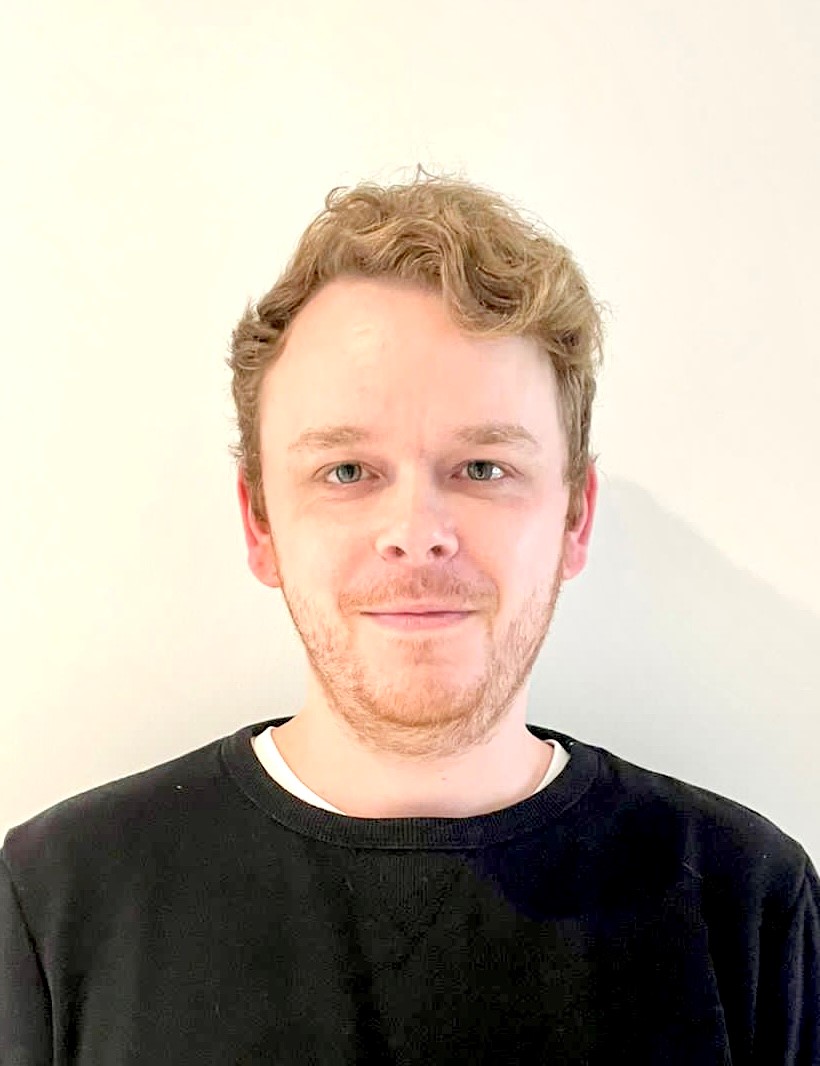
Exploring operational and outsourcing insights from a COG Europe session featuring Jurate Lasiene, VP Clinical Operations at North Sea Therapeutics.
Learn how small biotech teams can design patient-first studies, avoid common pitfalls in rare disease trials, and collaborate effectively with specialist CRO partners for successful trial delivery.
Expert Perspectives on Clinical Outsourcing in Rare Disease Trials
At a Clinical Outsourcing Group (COG) Europe session, Jurate Lasiene, VP Clinical Operations at North Sea Therapeutics, shared her hands-on experience navigating a first-in-human trial for a rare neurological disease. With a track record guiding clinical trial delivery in high-stakes environments, her perspective provides actionable guidance for sponsors and clinical operations teams facing similar challenges. The session focused on operational best practices, trial design for rare indications, and how small sponsor teams can leverage functionally specialized service partners within an evolving outsourcing landscape. The real-world case study explored the full project arc—from protocol design to patient journey, highlighting the practical steps that drive enrolment, retention, and data quality.
The Evolving Landscape of Clinical Trial Outsourcing
Rare disease trials create unique challenges for sponsors: highly dispersed, hard-to-reach populations, limited therapeutic options, and a small pool of clinical experts—all increasing the risk of delay or trial failure. Jurate Lasiene pointed out that only 5% of rare diseases currently have even one approved treatment, and a majority begin in childhood. Compounding these hurdles is an industry shift: Small, emerging biotech companies now account for 63% of clinical trial initiations (up from 29% in 2011), while large pharmaceutical firms conduct a minority of new studies.
This has direct implications on outsourcing models:
Rise of the hybrid and FSP model: The trend is away from fully outsourced, large CRO-led executions. More biotechs are keeping strategy and oversight in-house, using small, specialist partners for execution as needed.
Decision drivers: According to Jurate Lasiene, sponsors aim to retain speed, flexibility, and control—all while watching costs. Effective clinical outsourcing requires careful partner selection and strong sponsor-side governance.
Implication: For sponsors running rare disease studies, a flexible outsourcing model and deep operational insight are essential for navigating fluctuating timelines, sudden protocol amendments, and challenging patient logistics.
Key Pitfalls and How to Avoid Them in Rare Disease Trials
Jurate Lasiene distilled the most common points of failure in early-phase rare disease studies into practical, actionable categories:
1. Protocol and Study Design
Rigid protocols, insensitive or poorly defined endpoints, and restrictive eligibility criteria can cripple enrollment. A striking statistic: 56% of screened rare disease patients do not meet eligibility criteria, often due to over-stringent protocol design.
Best Practice:
Involve regulatory authorities, key opinion leaders (KOLs), patient advocacy groups, and caregivers in protocol development from the outset. For this case study, KOLs reviewed the protocol before drafting, and patient input directly influenced design.
2. Ignoring the Patient and Caregiver Journey
Rare disease patients are frequently children or are highly dependent on caregivers; their participation hinges on reducing study burden. Jurate Lasiene described organizing a practical "patient journey" simulation—team members navigated the hospital in wheelchairs to map administrative hurdles and pain points.
Best Practice:
Proactively address logistical barriers (transport, hospital layout, waiting periods, etc.), and embed flexible visit scheduling. Providing a local “patient concierge” service helped ensure high retention: in this case, 12 were enrolled and only one dropped out due to disease progression.
3. Site and Vendor Selection
There's a critical temptation to activate only the largest, most influential sites or KOL centers. Jurate Lasiene countered this, favoring private sites capable of faster startup and more attentive patient handling. Partnerships with specialist vendors extended the sponsor team's capabilities only when needed.
Best Practice:
Choose partners who match your culture of agility and who support, not hinder, the trial’s operational pace. Consider embedding experienced external coordinators and sub-investigators to build site capacity and train teams on the fly.
4. Oversight and Governance
Avoid relegating clinical operations or monitoring functions too far down the value chain. Jurate Lasiene maintained intensive oversight using an in-country, full-time contractor who acted as both monitor and project manager, strengthening site relationships with daily “touchpoints”.
Best Practice:
For small, localized trials, insourcing monitoring/PM labor ensures proactive risk identification and quick turnaround. For multi-country studies, consider one dedicated PM per country unless site logistics become overwhelming.
Building a Patient-First, Agile Clinical Trial Model: Case Study Insights
Jurate Lasiene detailed a first-in-human Phase 1b neurology trial—one country, one site, 12 patients—all delivered by a core in-house team of four, supported by functionally specialized outsourced partners.
Practical Steps Taken:
Early, deep stakeholder engagement: Patient advocacy groups contributed even before the protocol draft, surfacing practical daily-living obstacles and influencing visit logistics.
Flexible eligibility design: Criteria were revised with KOL input to balance safety with realistic enrollment, ensuring the primary endpoint was sensitive enough and attainable.
Targeted functional service provider (FSP) model: Instead of full CRO outsourcing, the sponsor retained trial strategy, operational planning, and oversight. Data management and safety database functions were outsourced to specialist boutique vendors.
Site selection for speed and fit, not prestige: The chosen site, while not the most experienced, was equipped for quick activation, flexible scheduling, and patient comfort.
Real patient journey mapping: Dry-run simulations—moving from parking, through registration, blood collection, and breaks—revealed potential friction points that were then mitigated with proactive planning.
Operational Results: The team enrolled all 12 patients in under one month, achieved a 30% cost reduction compared to full-service CRO quotes, and retained high-quality data with minimal protocol deviations.
What This Means in Practice
Engage KOLs, advocacy groups, and caregivers at protocol concept stage—not after drafting.
Design flexible, attainable eligibility criteria with direct clinician and site input.
Map the full patient journey with site visits, possibly simulating as patients/caregivers, to find and solve logistical bottlenecks.
Embed oversight in-house or insource with dedicated, empowered PM/monitors for each region/country.
Select sites for their fit, agility, and ability to execute—not just for reputation or prior volume.
Structure outsourcing relationships as true extensions of the sponsor team, with direct lines of communication and clear accountability.
Outsource data management and tech to partners who can tailor their service, avoiding big-vendor bureaucracy where possible.
Key Takeaways
Early, multidisciplinary involvement in protocol and trial design dramatically improves enrolment and retention in rare disease studies.
Flexible, targeted clinical trial outsourcing—FSP or hybrid—can reduce costs and increase operational control compared to traditional CRO-led models.
Intensive, localized oversight and patient-facing logistics are critical to study success; insourced or closely managed PM/monitor resources are most effective in small-scale trials.
Selecting agile partners and sites over traditionally “big” players supports faster startup, nimble pivots, and greater patient/caregiver satisfaction.
First-hand mapping of the patient and caregiver journey is essential to surface unseen barriers and optimize clinical study design.
Selected Quotes
“The very first thing that we see is that protocol and study design cannot be rigid. It cannot have insensitive endpoints. And it's very important to define what your endpoints are that the regulators actually will agree with you at some point that it is the outcome of the study.” – Jurate Lasiene
“We sat on wheelchairs and we went through the whole journey that the patient will actually have to face. That honestly opened our eyes. We knew exactly where the pitfalls were.” – Jurate Lasiene
“We actually saved 30% of overall budget when we compared to fully outsourced CRO quotes. All 12 patients were enrolled under 1 month.” – Jurate Lasiene
“The success really depends on combining a lot of elements... but it's really the buy-in of every team member that we're gonna make this work, wearing different hats at some point, and making sure that your partners are truly your extension.” – Jurate Lasiene
For further resources and the global agenda, visit The PBC Group's website.
The PBC Group and COG event series: https://thepbcgroup.com


Comments