Direct Clinical Trial Management Practical Approaches to CRO Selection and Clinical Outsourcing for Lean Biotech Teams with Antonio Bermejo Gomez
How lean biotechs can drive effective clinical trial outsourcing, CRO selection, and operational excellence, insights from COG Nordics with Synartro’s Chief Development Officer.
When your clinical development team is just two people and resources are tight, conventional CRO partnerships aren’t always the right fit. This article distills the practical strategies, decision frameworks, and operational lessons shared by Synartro’s Antonio Bermejo Gomez at a COG Nordics live session, essential reading for clinical operations, outsourcing, and vendor management professionals navigating trials with limited bandwidth and budget.
Real-World Context: Clinical Trial Outsourcing at Ground Level
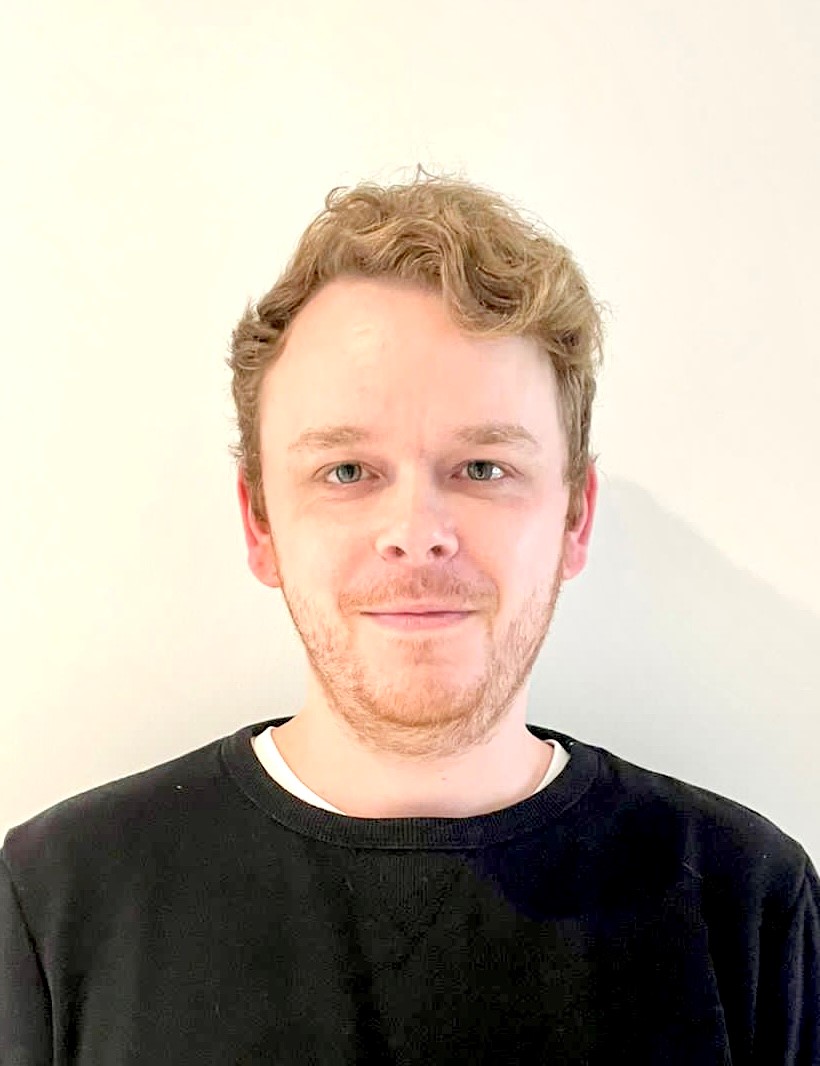
In a candid session at COG Nordics, Antonio Bermejo Gomez, Chief Development Officer at Synartro, walked attendees through what it takes to manage a clinical study directly with minimal internal headcount. With a background in organic chemistry and experience bridging academia, large pharma, and start-up biotech, Antonio Bermejo Gomez offered a granular perspective on the realities, and possibilities, of clinical trial delivery for small sponsorship teams.
This fireside chat, hosted by David Jones (COG, The PBC Group) and moderated by Sverre Bengtsson, focused on CRO selection, collaborative operational models, and sponsor decision ownership. The emphasis: real-world application, ruthless prioritization, and hands-on clinical operations management outside the bounds of traditional, fully outsourced approaches.
When the Sponsor is the Operations Team: Embracing Direct Responsibility
For small biotechs like Synartro, “lean” isn’t just a buzzword, it’s a fixed reality. With only two part-time employees and a reliance on external consultants, direct oversight of every operational task becomes essential. Antonio Bermejo Gomez stressed that sponsors must retain accountability for clinical decisions. Outsourcing, he argued, does not mean abdicating responsibility to a CRO or to consultants.
Sponsor-led decision-making: Synartro works with expert consultants and specialized vendors, but always remains the final decision-maker. Consultants provide advice and technical expertise, but never take strategic or operational decisions off the sponsor’s plate.
Clear lines of communication: Frequent, transparent dialogue between the company’s two leaders, one focused on operational execution, the other on administration and finance, is vital. Mistakes are surfaced early, not buried or delegated away.
Accountability and oversight: Even with deep reliance on external partners, the sponsor is always responsible for the risk–benefit assessment, regulatory compliance, and the core strategy of the clinical program.
For professionals: Direct oversight ensures that clinical strategy remains tightly linked to business realities. When headcount is scarce, clear decision processes and strict ownership are non-negotiable components of clinical operations best practices.
Rethinking CRO Selection: Fit-for-Purpose Partnerships Over One-Size-Fits-All
CRO selection often follows a well-trodden path in mid-size or large companies, but for lean biotechs, the calculus is different.
Antonio Bermejo Gomez highlighted several distinct considerations:
Limited choices, sharper criteria: For Synartro’s clinical trial, the pool of viable CROs was dramatically narrowed by geography, therapeutic focus (osteoarthritis), and regulatory requirements. In some cases, just one or two serious contenders emerged.
Transparency over salesmanship: Both sponsor and CRO can fall into the trap of “overselling”, painting an overly optimistic picture of capabilities or project prospects. Antonio Bermejo Gomez urged total honesty in early discussions to ensure a true operational and cultural match.
One shot at getting it right: For lean sponsors, the margin for error is razor thin, switching CROs mid-trial is often not an option. Controls must be in place to ensure that the partner selected can deliver on relevant endpoints, timelines, and technical challenges.
In the case of Synartro’s trial, deep disease and operational expertise at their selected CRO (CTC, Uppsala) was irreplaceable, particularly in a challenging area like osteoarthritis with subjective patient-reported outcomes and limited biomarkers.
Balancing External Dependence with Strategic Focus
With small internal teams, the challenge isn’t just “who does the work,” but “what work really matters now.”
Antonio Bermejo Gomez emphasized the need for strict prioritization and constant reevaluation of project activities:
Prioritizing critical path activities: It’s easy to default to comfort zones, such as familiar technical areas, but clinical study optimization demands continuous assessment of which functions actually move the trial forward (regulatory pathway, data generation, patient recruitment).
Parallel task management: Reliance on a systemic, stepwise approach (e.g., CMC completion then regulatory, then site activation) may not be practical for lean teams. Instead, flexible, parallel management of multiple operational workstreams accelerates progress and de-risks bottlenecks.
Contingency planning with vendors: Examples included the shift from pre-filled syringes to vials dispensed at hospital pharmacies, an operational pivot negotiated through collaborative discussions with vendors, regulators, and CRO partners.
Clinical outsourcing strategy in this model demands that sponsors stay adaptive, able to negotiate, troubleshoot, and rework project plans in concert with external partners while maintaining overall control.
Best Practices for Managing Sponsor–CRO Relationships With Lean Resources
Efficient clinical trial outsourcing for small companies hinges on clear boundaries and ongoing collaboration:
Define domains of expertise: Sponsors must articulate exactly where their product knowledge holds, and where the CRO’s clinical or operational experience prevails. Each party’s responsibilities should be documented and reviewed, especially at operational interfaces (e.g., recruitment, protocol amendments, handling last-minute dropouts).
Validate (don’t just accept) CRO recommendations: Antonio Bermejo Gomez described always asking follow-up questions, not out of mistrust, but to fully understand the rationale behind a vendor’s proposed actions. This approach ensures decisions are made with both clinical context and operational implications in view.
Continuous learning: Every operational hiccup or process gap is reviewed candidly within the sponsor team and, where applicable, openly discussed with the CRO or consultant. The goal is not to assign blame, but to drive continuous improvement.
For larger organizations, these lessons reinforce the importance of proactive governance and sponsor-side operational maturity, even and especially when a robust outsourcing ecosystem is in place.
What This Means in Practice
When initiating a trial with limited in-house bandwidth, map out all operational domains and assign clear sponsor vs. partner responsibilities upfront.
Drop assumptions that external consultants or CROs will “own” project decisions; sponsors must retain final authority and accountability.
In early discussions, test vendor claims through scenario-based questions (“How would you handle X?”), and watch for transparency in their answers.
Prioritize operational flexibility, be prepared to pivot processes (e.g., IMP configuration, recruitment pathways) collaboratively with partners.
Don’t over-index on a systemic, sequential approach; manage multiple workstreams in parallel where it accelerates timelines.
Select CROs not just for technical capability but for their willingness to communicate openly and work with your operational constraints.
After each key milestone, debrief internally and with vendors to surface process improvements for future cycles.
Key Takeaways
Lean sponsor teams can run efficient, robust trials when accountability, decision-making, and ownership stay with the sponsor, even in heavily outsourced models.
CRO selection is less about picking the “biggest” or “best” and more about operational fit, transparent dialogue, and mutual understanding of resource constraints.
Effective clinical outsourcing demands active sponsor participation, questioning vendor recommendations, sharing mistakes, and maintaining a clear line of sight across all operational domains.
Rapid clinical study optimization depends on parallel path execution and the ability to pragmatically reprioritize when variables change.
Every external partner, from consultant to CRO to manufacturing vendor, must see their role within the context of the sponsor’s overarching strategy and constraints.
Selected Quotes
“A sponsor needs to own the decisions. It's very easy to say, ‘Yeah, he told me to do this and then we did it and we messed up.’ No, it's our decision.” - Antonio Bermejo Gomez
“The most important is the clear and transparent communication between both. If we don't talk about it, we will never be progressing…so we learn from our mistakes, and I think this is very important.” - Antonio Bermejo Gomez
“When you are a small company, [CRO selection] is like you have one shot and if you did wrong then you close the company because you don't have money to change the CRO.” - Antonio Bermejo Gomez
“I always ask a lot of questions, because I want to learn, but also to make sure that we take the right decision. But I will never question them like, ‘this is the wrong decision.’ Because at the end of the day, if I'm questioning the CRO, I’m questioning myself when I chose the CRO.” - Antonio Bermejo Gomez
For more curated clinical trial operations strategies and real-world sponsor–vendor stories, explore The COG Review and the full COG event agenda at thepbcgroup.com.